
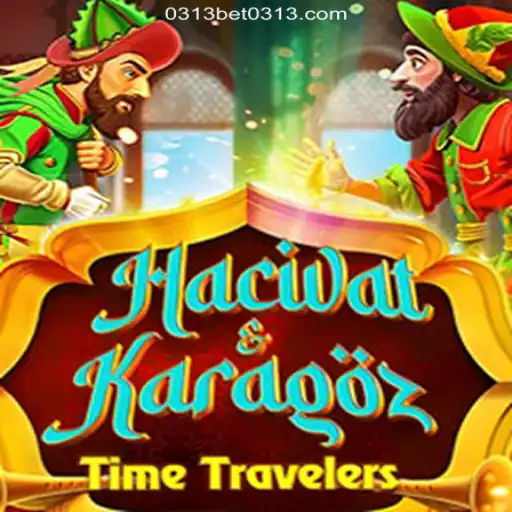
Hacivat and Karagoz: A Turkish Tradition of Shadow Play
Hacivat and Karagoz, an age-old shadow play tradition from Turkey, stands as a fascinating cultural artifact woven into the tapestry of Turkish history. This ancient art form captivates audiences with its unique storytelling method, utilizing silhouettes and vibrant characters to relay humorous tales brimming with social commentary. Today, it remains a cherished part of Turkish culture, continuing to enchant both locals and international audiences. Let's delve deeper into the world of Hacivat and Karagoz, exploring its origins, characters, and rules that make it a timeless piece of artistic expression.
The Origins of Hacivat and Karagoz
The origins of Hacivat and Karagoz trace back to the Ottoman Empire during the 14th century. The art form is named after its two primary characters, Hacivat and Karagoz, who are believed to have been real individuals. These characters were rumored to have been construction workers during the reign of Sultan Orhan and gained popularity due to their witty and humorous banter. Their interactions were so entertaining that they became the central figures of a shadow puppet show that quickly spread across the empire.
Understanding the Art of Shadow Play
Shadow play, or shadow puppetry, is an ancient form of storytelling and entertainment that uses flat articulated figures to create the illusion of moving characters. In Hacivat and Karagoz, these figures are made from animal hide, expertly crafted, and colored to create expressive silhouettes projected onto a lit screen. The puppeteer, or 'Karagözcü,' manipulates the characters, combining storytelling with pantomime and improvisation to bring the shadows to life.
Introducing the Main Characters
Among the numerous characters that populate the world of Hacivat and Karagoz, the titular characters stand out for their contrasting personae and comedic interactions.
Karagoz
Karagoz is portrayed as a lively and straightforward figure, representing the unrefined but witty common folk. His naïveté and literal interpretation of words often lead to humorous misunderstandings, endearing him to the audience.
Hacivat
In contrast, Hacivat embodies the educated, more sophisticated segment of society. He is articulate, knowledgeable, and plays the role of the straight man in the comedic duo. Hacivat’s attempts to mediate situations and provide wisdom often fall on Karagoz’s deaf ears, resulting in comedic outcomes.
Rules and Structure of the Show
The performance of Hacivat and Karagoz is carefully structured, adhering to traditional formats while allowing for creative liberty. Typically, the show follows a general outline, including the introduction, dialogue, main action, and conclusion.
Introduction
The play begins with an introductory song or musical segment, setting the scene for the audience. Hacivat enters first, reciting a traditional phrase that welcomes the viewers and introduces the context.
Main Action and Dialogues
The heart of the play lies in the dialogues and interactions between Hacivat and Karagoz. The exchanges are often improvisational, reflecting societal norms, politics, and everyday life, infused with humor and satire. This segment is dynamic, allowing characters to break the fourth wall and engage directly with the audience, blurring the line between performer and spectator.
Conclusion
A Hacivat and Karagoz performance does not follow a strict conclusion; rather, it ends with a light-hearted note or moral, wrapping up the comedic elements of the story.
Hacivat and Karagoz in Contemporary Culture
While Hacivat and Karagoz has its roots steeped in tradition, the art form has continually adapted to stay relevant in contemporary culture. Modern-day performances incorporate current events, using the age-old platform to comment on contemporary issues. The play’s adaptability has ensured its survival through centuries, maintaining its significance as part of Turkey's rich cultural heritage.
Hacivat and Karagoz in the Digital Age
The digital age has opened new avenues for this traditional art form, allowing it to cross geographical boundaries and reach global audiences. Online platforms and digital media have provided a space for Hacivat and Karagoz to thrive, igniting interest in viewers worldwide. The art form has transcended its traditional boundaries, garnering new fans through creative interpretations and adaptations that resonate with diverse audiences.
In conclusion, Hacivat and Karagoz remain a testament to the enduring power of storytelling through shadow play. Their tales continue to resonate, proving the timeless appeal of humor and social critique. As Hacivat and Karagoz navigate the modern world of online media and global exposure, their legacy endures, symbolizing the vibrant cultural narrative of Turkey.